
Mastering the Hook/Logline
The 3 Questions and 3 Archetypes that I Use To Help Clients Capture Crowdfunding Backers in 3 seconds.

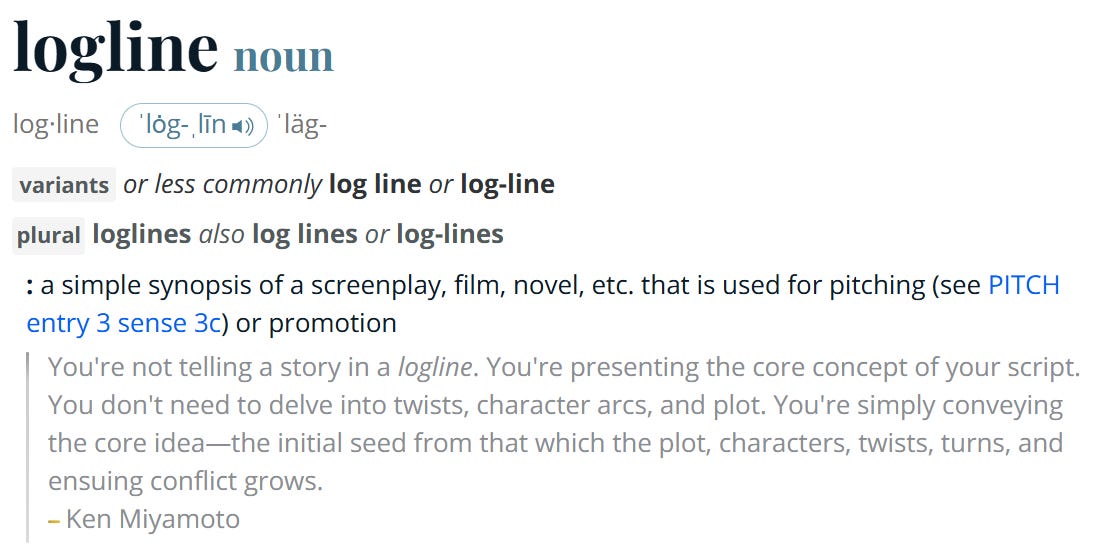
When I sit down with a potential client to talk about their comic book crowdfunding campaign, one of the very first things I do is ask three core questions that help me understand the heart of their campaign, From there, I walk them through the three main archetypes of a hook—or logline—(and for simplicity’s sake, throughout the process I’ll refer to the logline as the hook) This helps me categorize the kinds of projects that come across our desk, it may be a bit unconventional, it’s simply the approach that consistently helps me craft a dynamic, Scroll Stopping hook that I use in our campaigns maybe it can help you too.
First off if this is your first time on our page, please consider subscribing for more insights or if you might have questions about your campaign don’t hesitate to reach out.
we offer a free 30 minute campaign strategy & consultation.
You will walk away with our first 3 deliverables in our Campaign Audit & Strategy Tier listed below.
Full Campaign Review
Visual flow, or layout Review
Messaging clarity review - Includes Hook
Ok let’s get right into it!
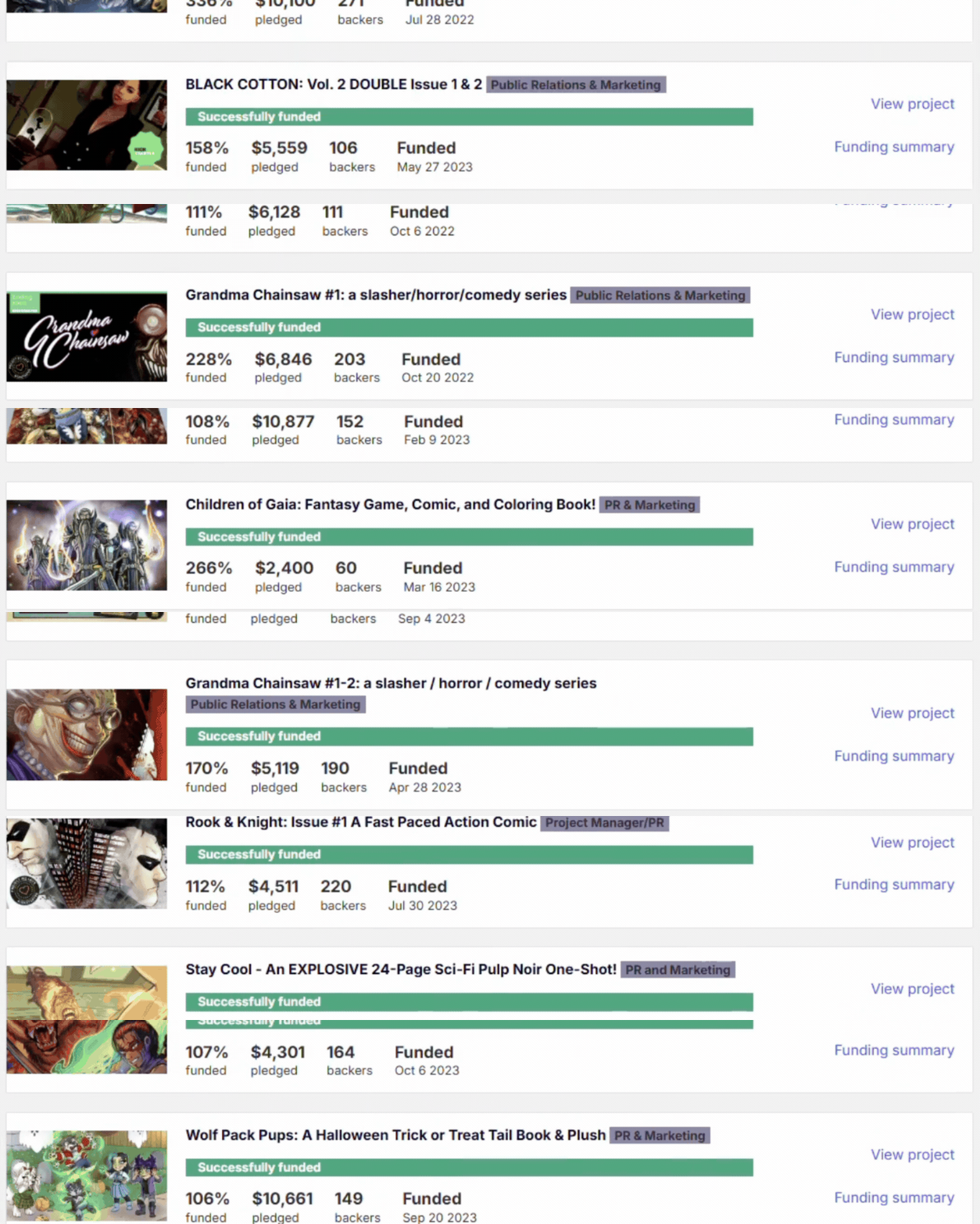
Geek Collective recently helped our 60th campaign partner hit or exceed their goal. We did this across comics, trading cards, & plush toys — we’ve seen a little of everything. With all of those projects, one thing stayed consistent:
You have about 3 seconds to convince someone to stop the scroll and pledge to your campaign. Most of our clients are comic creators, so we’re focusing on comics here. However, these principles are universal; whether you are pitching a graphic novel or a plush toy, the fundamentals remain the same.
The 3 Questions I Ask Every Client Before we touch a thing:
What is the comic or project about?
Why does it matter? (Or: Why are you crowdfunding it now?)
Why should I pledge now? (Or: Why should a scrolling backer pledge now?)
These 3 questions help me craft not only the campaign but most importantly the best hook that fits the identity of the project.
Why Your Hook Matters More Than Anything Else

Your entire project carries weight, but we’re hyper‑focused on what actually hooks a potential backer. Remember: they’re making a choice in under three seconds—and that’s all the time you have to prove your project is worth their pledge.
That’s not a lot of time to earn someone’s attention, which is why your hook needs to be fast, precise and straightforward — it’s a conversion tool. Not just a Logline.
A strong hook does these three things:
Names the protagonist or core concept
States the goal or conflict
Introduces the tension or twist
Your hook’s job is simple: tell the backers everything they need to know in the shortest amount of time with the biggest punch.
I can already hear some of you saying, “Wow, revolutionary Joey”.
It may not be anything new, but a 3 second hook is the most consistent way to catch a potential backer in the shortest amount of time. Trust me—I had to practice this too until it finally stopped hurting my brain, then it became second nature.
“Ok Joey, so what’s the hook?”
hee hee—See what i did there…
The 3‑Second Hook Formula
Here’s the formula I used and implemented into my latest campaign for my IP
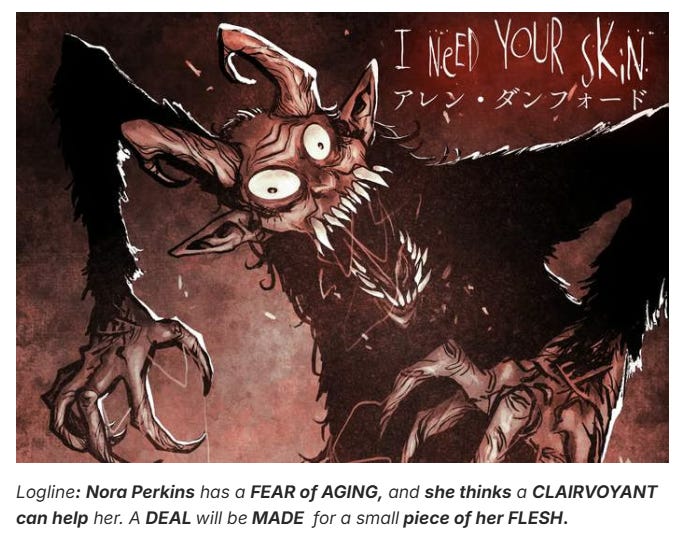
“I Need Your Skin” - I’ll give an example below:
Formula: [Your Character] wants [to Achieve a goal], but [an immovable obstacle] stands in their way.
Seems easy and obvious, and sometimes the things we spend a lot of time on are the most simple, and that’s ok. It takes practice. Here is how I put this formula into play.
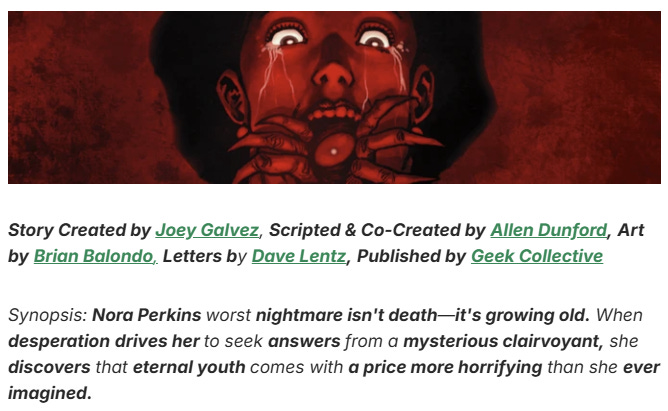
Hook Example: “I Need Your Skin” (Co-Created by Joey Galvez & Allen Dunford)
Nora Perkins has a fear of aging, she thinks a clairvoyant can help, for a small piece of her flesh.
This works because:
It’s fast
It’s emotional
It creates tension
It sets up the story
It makes the reader curious, wanting for more.
You can swap around the bones of the formula, as we did here, as long as you stick to the three sacred rules:
Name the protagonist or core concept
State the goal or conflict
Introduce the tension or twist
I tested this versions effectiveness at cons, when people are moving fast, so if you can shoot it out at them faster than you can say “saddle stitch” you’re golden. You’ll notice a difference when people actually stop to listen.
The 3 Archetypes of a Hook that help me craft a 3 second pitch for clients.
These are the 3 archetypes of a hook that help us choose the right verbiage for our clients when crafting a dynamic scroll stopping logline.
Choose the one that best fits your story.
1. Character‑Driven Hook
Best for: drama, noir, slice‑of‑life, character‑heavy stories
Formula: A flawed character faces a personal crisis with high emotional stakes.
2. Concept‑Driven Hook
Best for: sci‑fi, fantasy, high‑concept horror
Formula: A strange or compelling concept or idea that makes people say “ Wait…What?”.
3. Conflict‑Driven Hook
Best for: action, thriller, superhero, pulp
Formula: A dangerous situation with immediate consequences.

What NOT to Do: The most common trip up I see while scrolling through comic campaigns is a dense, three-sentence synopsis where a hook should be.
Halfway through, you’ve already lost me.
These descriptions aren’t bad and they have a home in your campaign—You just need something fast to stop em in their tracks.
A synopsis isn’t a hook, so don’t confuse the two.
Here’s the simple mental checklist I use to keep me on track when I start fleshing out a hook.

Don’t start with lore (“In the year 2000…”) lol Conan O'Brien reference
Don’t start with theme (“This is a story about hope…”)
Don’t start with worldbuilding (“In a world where magic is banned…”)
Don’t start with a question (“What if your vanity conjured something real?”)
Don’t start with a tagline (“vanity comes at a price.”)
Again these elements are fantastic, but they are not hooks. To earn a backers pledge, you need to be fast. Save the deep dives for a gorgeous synopsis placed further down the page.
That’s your space to get wild and worldbuild the hell out of it!
But for your hook?
Keep it story first, flavor second.
Example of Starting with a question with a bit of worldbuilding:
When desperation drives Nora Perkins to seek answers from a mysterious clairvoyant, she discovers that eternal youth comes with a price more horrifying than she ever imagined, Can she hold onto what makes her human, or will she descend into madness? —latest version of the synopsis for “ I Need Your Skin”
Your Synopsis can expand on the hook maintaining the story's atmosphere, just remember keep it easily consumable not hard to chew. I like to have these under a stunning panel tease or interior snapshot, something that fits the vibe of your entire book.
Write Your Hook (Action Step)
Ok it’s your turn to use what we’ve gone over and put it into action, refer back to The 3‑Second Hook Formula, & the 3 archetypes of a hook.
Pick one that best fits your story and write your hook somewhere right now…
Got it? Ok good
Test Your Hook
If I walked past your table at a con, could you shoot your hook & get me to stop?
Practice it. Say it out loud. If it’s a Safe book, test it on the kids, they’re brutally honest!
My wife will nudge me in public whenever someone compliments a comic shirt I’m wearing. Usually with my original characters on it.
That’s my cue to deliver the hook. I keep a few books in my car now — you never know when a sale is about to happen…or in my case when you need to dodge some elbows.
Hook Placement
To maximize conversion, your hook should be strategically placed throughout your campaign page.

Here are the most effective locations that I have found that work for our clients.
In your campaign subtitle area: likely the first place scrollers look.
At the top of your campaign page: directly under your Hero image
In your campaign video if you have one (first 5 seconds)
In your social posts
In at least one of your campaign updates
“Captain Obvious ova here”
Ok I heard that…I get it’s super obvious, but you’d be surprised how many hooks come up with the worm gone and no fish.
Now Go Apply the Hook
You’ve mastered the formula. You know the archetypes. Now, it’s time to start.
Your next move is simple: Apply the 3-Second Hook Formula to your project.
Test it on friends, on family, and in public. Refine it until it cuts through the noise like a razor.
If you’re ready to move past the hook and into a full-scale campaign strategy—from building an audience to maximizing backer tiers—don’t go it alone.
Let Us at Geek Collective turn your master hook into a master campaign.
Contact us today for a free 30 minute campaign strategy consultation.
You will walk away with our first 3 deliverables in our Campaign Audit & Strategy Tier listed below.
Full Campaign Review
Visual flow, or layout Review
Messaging clarity review - Includes Hook
Now that your hook is locked, loaded, and ready to shoot
I’ll be hunting for it in the wild.
Make it count—Make it stop me in my tracks!
Really great advice in here throughout!